Our Awesome Products For Food
Food packaging can be defined as ‘a complex and dynamic system aiming to safely prepare foods for transportation, distribution, storage, retailing, handling and end-use, and safely deliver these foods to the consumer in a sound condition (maximum quality) at

Packaging and Food Safety
While food packaging is an integral component of food industry and helps to store food and beverages in hygienic manner, it can at times be a cause of concern for food safety. Some packaging materials such as certain types of plastic, polyethene’s, can release toxins when they are heated and can be dangerous to consumers. Packaging materials which are irradiated (along with food) can transfer unsafe nonfood substances into the food. Food packaging makes use of a variety of substances, including dyes for printing colorful labels, and glues and adhesives for keeping packaging closed. In order to protect consumers effectively, the relevant authority individually certifies each of these food packaging materials subjecting them to rigorous testing protocols.
Tissue paper
Tissue paper is soft, feathery, lightweight, highly absorbent, tear resistant, disposable and relatively strong paper products. The tissue paper name originates from the French word “tissue”, which meaning cloth. Because of the tissue paper is as soft as cloth. It has become an important part in our daily life. Uses of this type of paper are increasing rapidly in worldwide. Overall, a person who lives in a developing country uses some kilograms of tissue paper per year.

Oceanic Inspiration
Winding veils round their heads, the women walked on deck. They were now moving steadily down the river, passing the dark shapes of ships at anchor, and London was a swarm of lights with a pale yellow canopy drooping above it. There were the lights of the great theatres, the lights of the long streets, lights that indicated huge squares of domestic comfort, lights that hung high in air.
No darkness would ever settle upon those lamps, as no darkness had settled upon them for hundreds of years. It seemed dreadful that the town should blaze for ever in the same spot; dreadful at least to people going away to adventure upon the sea, and beholding it as a circumscribed mound, eternally burnt, eternally scarred.
The voyage had begun, and had begun happily with a soft blue sky, and a calm sea.
Good quality product. It comes in various range and variety and hence fulfills the need of all. Even the bitterest fruit has sugar in it.

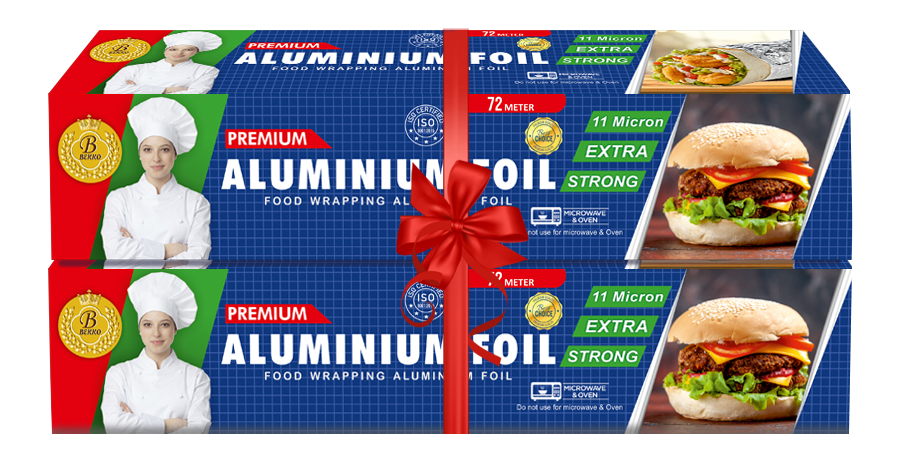
- Wrap Roti, Parantha, Sandwich, Burger & More! Keeps food Safe & Fresh, Great for Wrapping & Packing.
- Non-Stick, Grease Locking and Moisture Balancing
- 100% organic cellulose, Reheat able, Non Stick, Microwave Safe and Attractive Prints
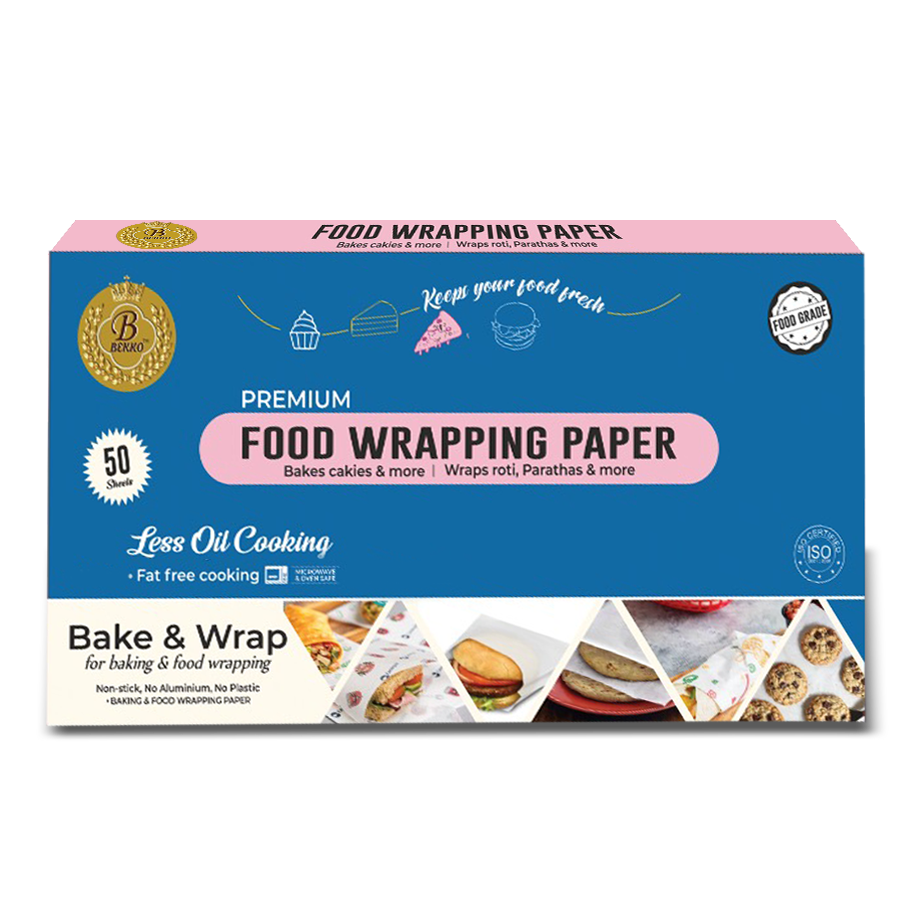
Food Wrapping Paper
Food Wrapping Paper Foil 11 Inch x 20 Mtr, Combo Set of 2 online in India at wholesale rates. If you have been looking for Alkaline Products Food Wrapping Paper Foil 11 Inch x 20 Mtr, Combo Set of 2 dealers, your search ends here as you can get the best Alkaline Products Food Wrapping Paper Foil 11 Inch x 20 Mtr, Combo Set of 2 distributors in top cities such.
Food packaging lies at the very heart of the modern food industry and very few foods are sold unpackaged. Good packaging prevents waste and ensures that the food retains its desired quality throughout its shelf life. Despite its importance and the key role that packaging plays, it is often regarded as, at best, somewhat superfluous, and, at worst, a serious waste of resources and an environmental menace. Such views arise because, by the time most consumers come into contact with a package, its job, in many cases, is almost over. However, if the world is ever going to be able to feed 9 billion people, then the quality and quantity of food packaging is going to have to increase considerably.
Most materials used for packaging foods belong to the following classes: metals, glass, paper and polymers. Some packaging media consist of a combination of two or more materials of the classes listed above. Enameled (lacquered) metal and laminates formed by binding together layers of polymer, paper and aluminum foil are common examples of such composite materials.
The chemical composition and physical properties of packaging materials determine their ability to fulfill the various functions expected from the package. The most important properties to be considered in this context are transport properties, optical properties, mechanical properties and chemical reactivity.